
You’ve probably been here before: an overly-hot July afternoon in Westchester County where the air conditioning is running, the thermostat reads something reasonable, and the house still feels like a sauna. The air is thick, sleep is restless, and turning the temperature down another two degrees doesn’t seem to help.
The problem isn’t the heat. It’s the humidity.
Why Your House Feels Humid Even With the AC On
When humidity loads are high, the AC can’t remove moisture fast enough to make a space feel comfortable, so homeowners keep lowering the thermostat and increasing energy use without ever solving the actual problem.
A high-humidity home in summer creates a cycle that no single AC unit should have to carry alone.
How a Whole-Home Dehumidifier Works
A whole-home dehumidifier integrates directly with a home’s existing ductwork and HVAC system. Rather than treating one room at a time, it draws air from across the entire home, removes excess moisture, and redistributes conditioned air evenly throughout every level.
Why Dehumidifiers Are Separate From AC Systems
The dehumidifier operates on an independent humidistat, running on its own schedule regardless of whether the air conditioner is on. This HVAC humidity control approach means moisture is managed independently of temperature. This means that when the dehumidifier is running, the air in your home feels lighter and more comfortable at higher thermostat settings, which reduces air conditioning runtime and mechanical wear.
For homeowners looking to reduce indoor moisture and improve summer comfort without overcooling their homes, a whole-home system offers a level of control that portable units simply can’t match.
The Dehumidifier Sizing Guide: What Nobody Talks About Enough
Proper sizing is the most critical factor in a whole-home dehumidifier installation, and it’s also where the process most often goes wrong. A unit that’s too small will run constantly and still struggle to maintain comfortable conditions. An oversized unit will short-cycle, removing moisture in sudden bursts without ever stabilizing the indoor environment.
C.W. Fischer’s Dehumidifier Sizing Tips
Following a reliable dehumidifier sizing guide means accounting for several variables beyond square footage:
- Ceiling height and total air volume
- Number of occupants and the daily moisture they generate
- Basement and crawl space conditions
- How well the home is sealed against outdoor air infiltration
- Seasonal humidity patterns specific to Westchester County
Home performance testing helps identify where moisture enters and at what rate, giving technicians the data needed to recommend the right system capacity. Skipping this step often leads to equipment that underperforms or wears out faster than expected.
When the System Is Too Small
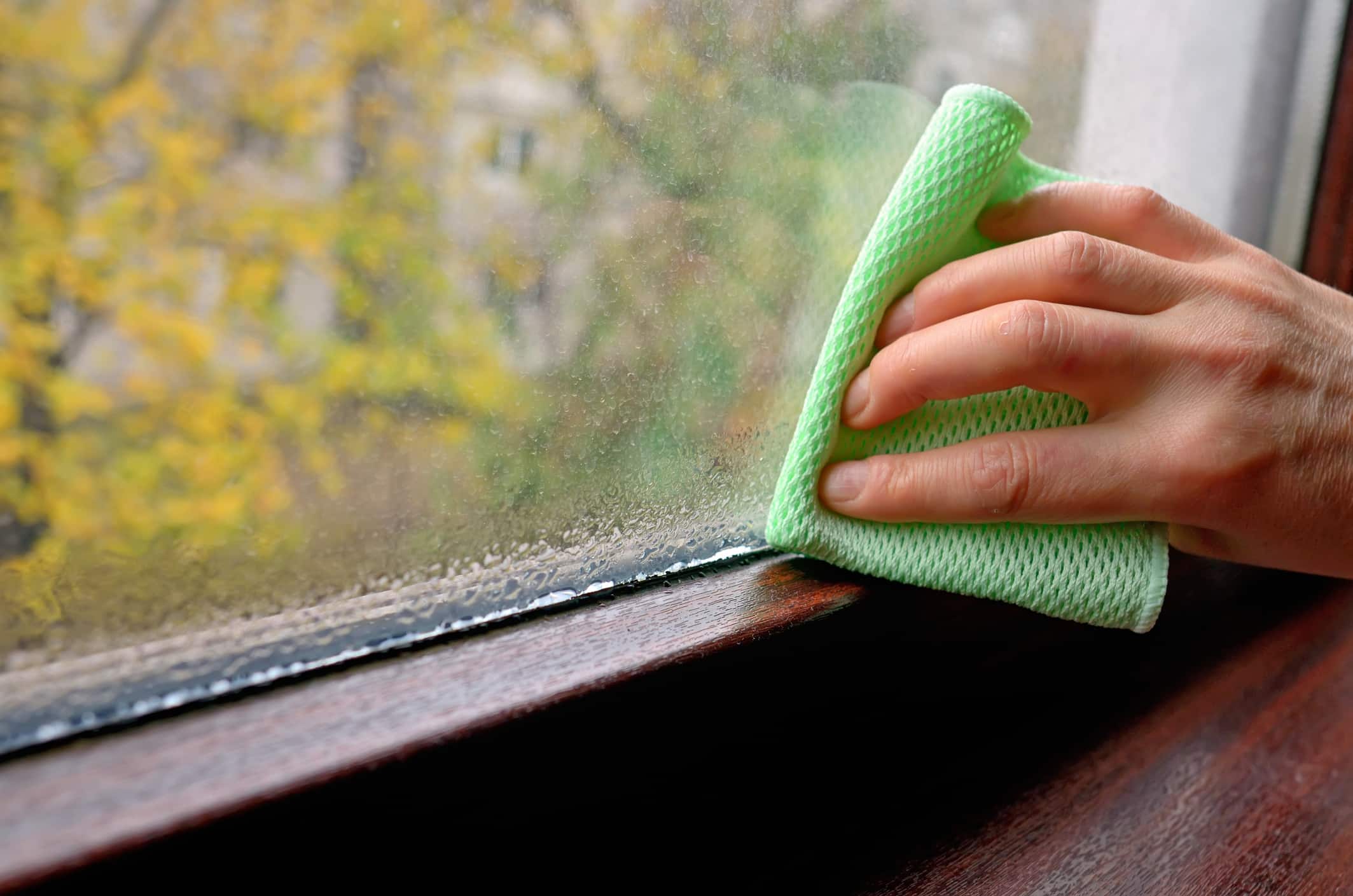
An undersized dehumidifier can’t keep pace with summer humidity loads. Homeowners notice air that still feels heavy, condensation forming on windows or surfaces, and the AC running longer cycles than it should to compensate.
When the System Is Too Large
An oversized system pulls moisture too aggressively and short-cycles without ever stabilizing indoor conditions. Beyond wasting energy, that frequent cycling accelerates mechanical wear and shortens equipment lifespan considerably.
Getting the sizing right from the start is what separates a system that works from one that creates years of frustration.
Why Proper IAQ Systems Matter for Summer Comfort in New York
Summer in the Hudson Valley brings consistently elevated outdoor moisture levels. That moisture infiltrates homes through foundations, windows, door frames, and crawl spaces. Once inside, it pushes indoor relative humidity well above the comfortable 30–50% threshold.
Controlling indoor humidity in NY homes requires a different approach than temperature management.
Humidity, Air Quality, and Your Home’s Structure
Excess indoor moisture causes both visible and invisible damage. When relative humidity climbs above 60%, mold finds ideal conditions to grow in wall cavities, around window frames, in basements, and behind drywall. Dust mites, a common respiratory trigger, also thrive in humid environments.
Controlling Mold, Dust Mites, and More
The connection between indoor air quality and active humidity control is direct. For households with asthma, seasonal allergies, or respiratory sensitivities, keeping moisture levels in a healthy range makes a real difference in daily comfort and long-term health.
Humidity = Physical Damage to Your Home
On the structural side, sustained high humidity warps wood flooring, softens framing, and degrades insulation over time. Basements and crawl spaces are particularly vulnerable, and moisture that migrates upward affects walls, floors, and air quality throughout the rest of the home.
Energy Savings and What Humidity Is Actually Costing You
One of the most compelling cases for proper HVAC humidity control is the energy savings that follow. When the air feels lighter and drier, homeowners can keep the thermostat a few degrees warmer and remain just as comfortable. The AC runs fewer cycles, the compressor works less, and utility bills reflect the difference.
Energy savings from humidity control aren’t a minor side effect. They’re a direct result of addressing the real source of discomfort rather than compensating for it with overcooling. Over the course of a Westchester summer, those savings can offset a meaningful portion of the installation investment.
Summer Comfort Starts With the Right Moisture Balance
High humidity affects how your home feels, how your air conditioning performs, and how well your family sleeps through a Westchester summer. Addressing the moisture in your air is one of the most practical improvements a homeowner can make, and the right whole-home dehumidifier makes the difference between a system that keeps up and one that constantly falls behind.
Ready to Stop Cooling a Humid Home? Schedule Dehumidifier Installation in Westchester County
If your air conditioner is running hard but your home still feels heavy and sticky, excess moisture is likely the cause. Clover Heating & Cooling can assess your home’s humidity levels and recommend a properly sized dehumidifier solution that works with your existing HVAC system.
Call (914) 292-4788 or contact us online to schedule a consultation and get ahead of the humidity before peak summer arrives.