
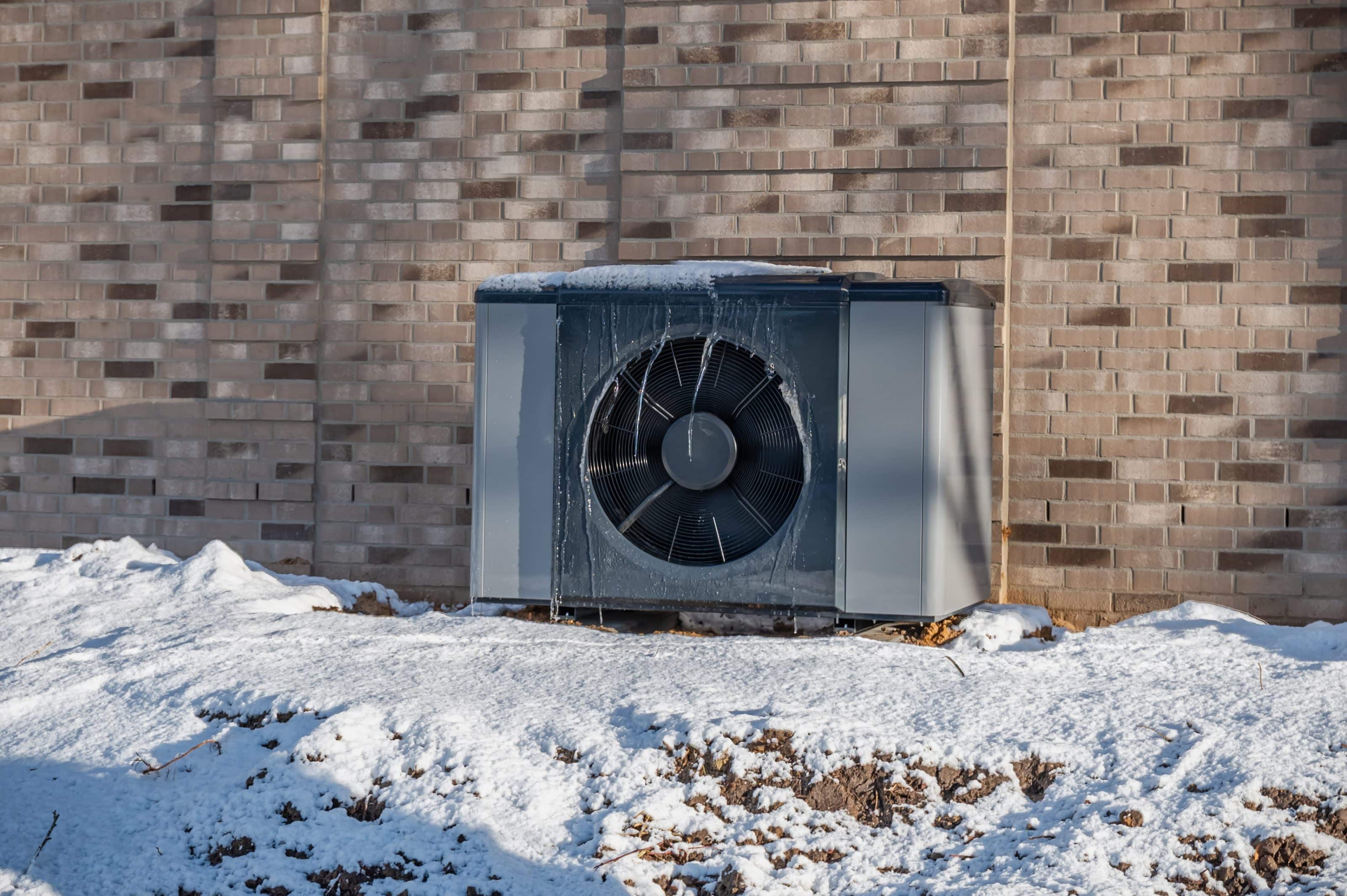
A heat pump that struggles when the temperature drops is the reason many Westchester homeowners still say no to heat pumps. Cold climate heat pumps were built to solve exactly that problem. They use variable speed compressors and advanced refrigerants to keep delivering heat in freezing weather, and they heat and cool your home with one system. The catch is that results depend less on the brand name and more on how the system is sized and installed in your house.
At a Glance
- Certified cold climate heat pumps are tested to deliver heat at 5°F.
- One system heats in winter and cools in summer.
- Sizing and testing decide whether a heat pump performs well in your home.
- A heat pump can replace a boiler or furnace, or work alongside one.
- Incentives through New York State and Con Edison can lower the cost.
How Do Cold Climate Heat Pumps Work in Freezing Weather?
A heat pump doesn’t make heat by burning anything. It moves heat from outdoor air into your home, and outdoor air still holds usable heat at 5°F. Older heat pumps lose output quickly as temperatures fall and lean on electric resistance strips to make up the difference. Those strips are expensive to run.
Cold climate models work differently. Variable speed compressors adjust their output to match the load instead of switching fully on and off. Newer refrigerants hold their capacity as the temperature drops. The cold climate systems we install are designed to heat well without backup resistance heat.
What Does the Cold Climate Label Actually Prove?
ENERGY STAR requires independent, third-party verification of low-temperature performance, with testing down to 5°F. To earn the cold climate designation, a unit must keep at least 70 percent of its rated heating capacity at 5°F compared to 47°F. It also needs a coefficient of performance of at least 1.75 at 5°F.
Here is what that last number means in plain terms. At 5°F, a qualifying heat pump still delivers at least 1.75 units of heat for every unit of electricity it uses. Electric resistance heat delivers 1. ENERGY STAR notes that units keep running below 5°F, and that a backup heat source is the most efficient pairing on the very coldest days.
The label proves the equipment can do the job. It does not prove your house will get that result.
Why Does Sizing Matter More Than the Brand?
Anthony Marmo likes to say that if you are not measuring, you are guessing. We take that seriously. Before we recommend any equipment, we measure how much heat your house loses, how leaky it is, and what condition your existing system and ducts are in.
This matters in older Westchester homes. Many houses in Scarsdale, Bronxville, and Chappaqua were built long before modern energy codes. A leaky envelope drives up the heating load, which forces a bigger system. Sealing and insulating first, through our Home Performance work, often lets a smaller system do the job. Our approach is Seal Tight and Ventilate Right.
Sizing errors cost you either way. An undersized unit runs flat out on the coldest nights, and an oversized one wastes money and cycles more than it should.
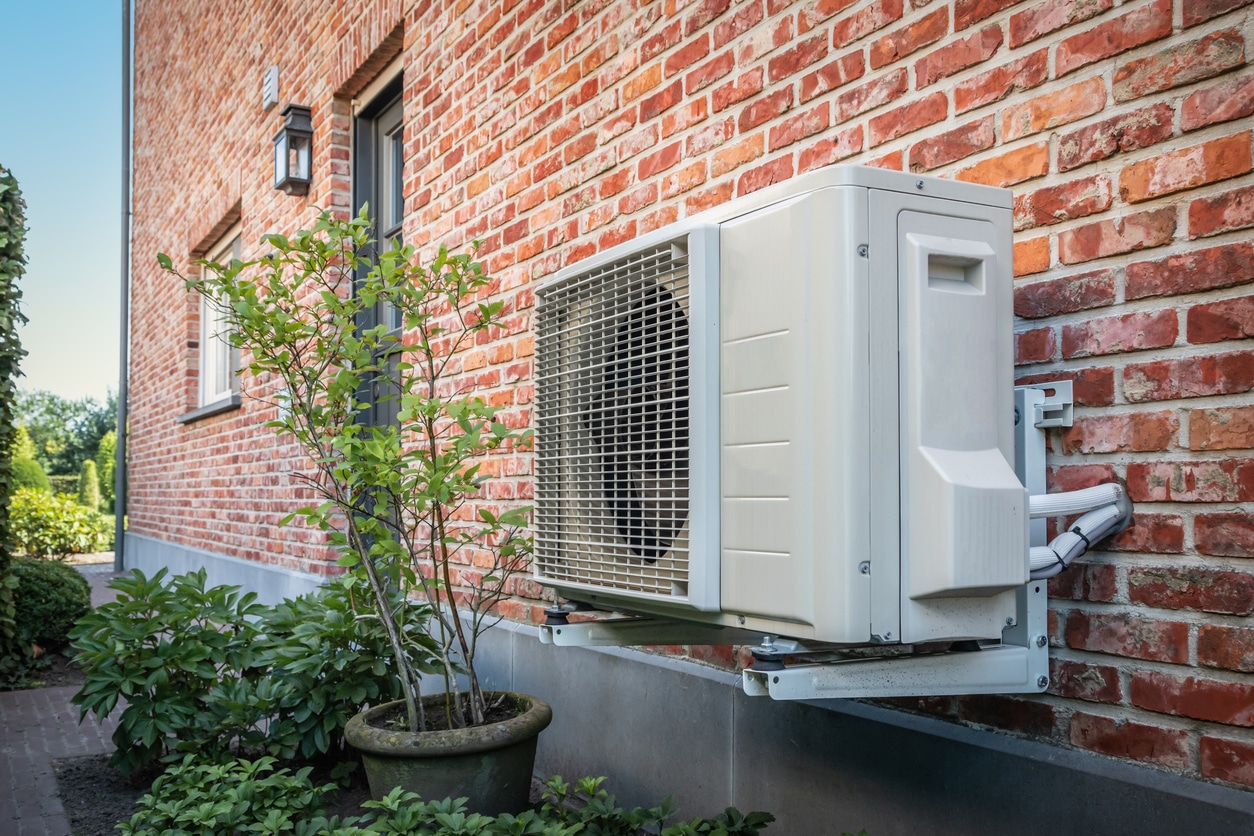
Heat Pump or Boiler: Which Should Heat Your Home?
It is rarely a simple either-or choice. Three setups cover most of the homes we see:
- Full Replacement: If your boiler or furnace is near the end of its life and the house has good ductwork or room for ductless heads, a cold climate heat pump can carry the whole load.
- Dual Fuel: A heat pump handles most of the heating season, and your existing gas furnace takes over on the coldest nights.
- Zone by Zone: In a house with radiators, we look at which rooms a boiler heats unevenly and where a heat pump could add comfort.
A well-maintained boiler in a tight house may stay exactly where it is. We tell you when that’s the right answer. For homeowners who want the steadiest performance of all, geothermal systems draw on ground temperature instead of winter air.
What Do Cold Climate Heat Pumps Mean for Energy Bills and Carbon?
A heat pump moves more heat than the electricity it consumes, which is why it can cost less to run than electric resistance heat and many older systems. Your savings depend on what you heat with today and on your utility rates, so we put numbers on your own house instead of quoting averages.
There is a home health benefit too. With no on-site combustion in the heating system, there are no combustion byproducts to manage. Burning less fossil fuel at your address also lowers the carbon your home produces.
What Incentives and Financing Are Available?
Heat pump incentives in Westchester run through the NYS Clean Heat program and Con Edison. Amounts and rules change, so we confirm which incentives apply to your house before you commit. We also offer financing, including 0 percent options in qualifying cases.
A Cold Climate Heat Pump Only Works as Well as the Home Around It
Certification gets the equipment to the starting line. Measurement, sealing, and careful sizing decide whether your house stays comfortable on a 5°F night in Armonk or Sleepy Hollow. A heat pump that fits your home’s actual load can handle both January and July without a second system.
Start With a Home Evaluation
We measure first, then tell you what your house needs. Request an evaluation from the Clover Heating & Cooling team through our contact page or call (914) 292-4788.