
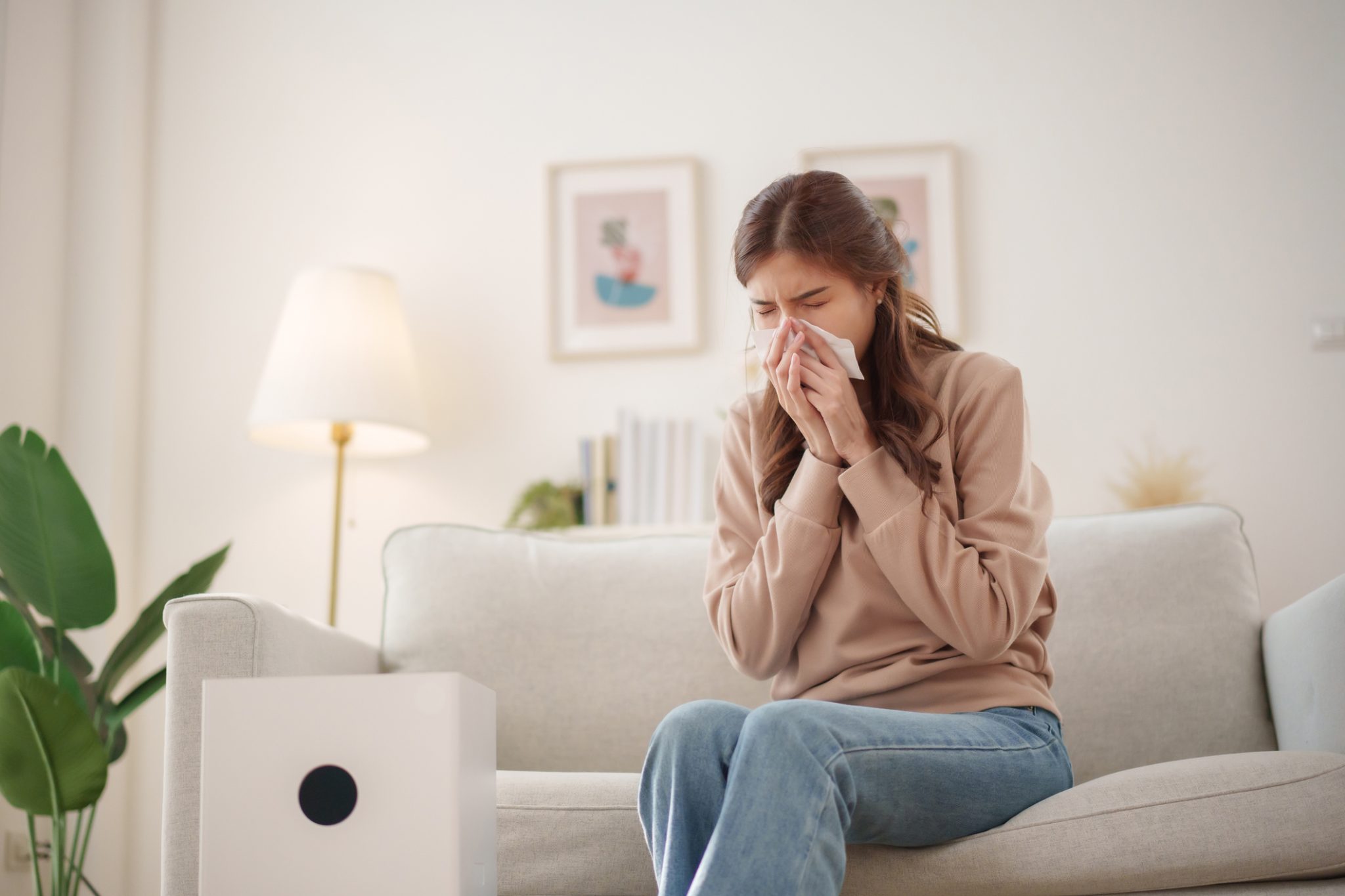
Spring in Sleepy Hollow and across Westchester County brings blooming trees, greener landscapes, and a sharp rise in allergy symptoms. For many homeowners, that seasonal shift also means sneezing fits, itchy eyes, and constant congestion that follows them indoors. What many people do not realize is that indoor air can carry just as many irritants as the air outside.
Air Quality & Allergy Season: How HVAC Can Help Hay Fever in Westchester County
Healthier air starts at home, and your HVAC system plays a central role in how clean that air really is.
Why Allergy Season Hits Hard in Sleepy Hollow
The Hudson Valley’s natural beauty comes with a tradeoff. Dense tree coverage, open green spaces, and proximity to water all contribute to higher pollen counts throughout the year.
Here is how allergy season typically unfolds in this area:
- Spring (April): Tree pollen from oak, maple, and birch fills the air
- Early Summer (June): Grass pollen peaks, especially from ryegrass and Timothy grass
- Late Summer to Fall (September): Ragweed pollen becomes the dominant trigger
Ragweed is particularly aggressive in Sleepy Hollow due to the surrounding environment. Add in mold spores from humid conditions and dust mites inside the home, and allergy symptoms can linger long after you step indoors.
This is where HVAC indoor air quality control becomes critical.
The Hidden Problem: Indoor Air Isn’t Always Cleaner
Closing your windows helps, but it does not fully solve the problem. Pollen, dust, and other allergens enter your home in subtle ways:
- Clothing, shoes, and pets bring pollen inside
- Air leaks and ventilation gaps allow contaminants to enter
- HVAC systems can circulate allergens if filtration is weak
- Moisture creates the perfect environment for mold and dust mites
Without the right setup, your HVAC system can continuously recirculate the very particles causing discomfort.
Hay Fever Home Tips That Actually Work
Managing allergies requires more than medication. Preventing exposure inside your home can make a noticeable difference in daily comfort.
Here are practical hay fever home tips for Westchester homeowners:
- Keep windows closed during peak pollen hours
- Change clothes after spending time outdoors
- Shower before bed to remove pollen from skin and hair
- Vacuum regularly with a HEPA-filter vacuum
- Replace HVAC filters on schedule
These steps help, but long-term relief often depends on improving the systems that move and clean your air.
How HVAC Systems Help Reduce Indoor Allergens
Modern HVAC systems do far more than heat and cool your home. With the right upgrades and maintenance, they actively improve indoor air quality.
1. Advanced Filtration Matters
Standard filters capture large particles, but many allergens are microscopic. Upgrading to the best air filters for allergies can significantly improve air quality.
High-efficiency filters and whole-home air cleaners:
- Capture fine pollen particles
- Trap dust mite debris
- Reduce airborne irritants before they circulate
Consistent filter replacement also protects your HVAC equipment from buildup that reduces performance.
2. Whole-Home Air Purification
Air purification systems target contaminants that traditional filters miss.
Clover Heating & Cooling offers solutions that:
- Remove airborne allergens throughout the home
- Neutralize particles as air flows through the system
- Support cleaner breathing conditions during peak allergy seasons
Options like the iWave air cleaner and advanced air cleaners help reduce indoor allergens that HVAC systems might otherwise spread.
3. Humidity Control Is Key
Humidity plays a major role in allergy symptoms:
- High humidity encourages mold growth and dust mites
- Low humidity can irritate airways and worsen symptoms
Balanced moisture levels create a healthier environment.
- Dehumidifiers help during humid months by reducing excess moisture, especially in basements and older homes common in Sleepy Hollow.
- Humidifiers add needed moisture during dry winter months, supporting respiratory comfort and protecting wood finishes.
4. UV Light Technology for Cleaner Air
UV light systems work inside your HVAC equipment to reduce biological contaminants.
These systems:
- Target mold and bacteria growth
- Improve system cleanliness
- Support healthier airflow throughout the home
This added layer of protection is especially helpful in homes where mold spores are a concern.
5. Duct Cleaning and Airflow Improvements
Over time, dust and debris collect inside ductwork. Every time your system runs, those particles can circulate through your living space.
Professional duct cleaning:
- Removes built-up dust and allergens
- Improves airflow efficiency
- Supports cleaner indoor air
Airflow adjustments and sealing also play a role. Clover Heating & Cooling follows a “Seal Tight and Ventilate Right” approach that focuses on both containment and proper ventilation.
Why Prevention Beats Medication When It Comes to Allergies
Allergy medications can ease symptoms, but they do not eliminate the source. Reducing exposure inside your home can lead to lasting relief.
Cleaner indoor air supports:
- Fewer allergy flare-ups
- Better sleep quality
- Improved respiratory health
- A more comfortable living environment
A well-maintained HVAC system also runs more efficiently, reducing wear and avoiding unexpected breakdowns during peak seasons.
IAQ Solutions NY Homeowners Can Rely On
Indoor air quality requires a whole-home perspective. Isolated fixes rarely solve the full problem.
Clover Heating & Cooling provides comprehensive IAQ solutions that NY homeowners trust, including:
- Whole-home air purification systems
- Advanced air cleaners for fine particles
- UV light installations
- Humidity control systems
- Duct cleaning services
- Air filter replacement programs
- Carbon monoxide testing for safety
- Home performance assessments to identify hidden issues
These services work together to improve air quality, system performance, and everyday comfort.
Breathe Easier This Allergy Season
Spring and summer allergens may be unavoidable outside, but your home can still be a place of relief. Improving filtration, balancing humidity, and upgrading air purification all help reduce indoor allergens that HVAC systems can circulate. A proactive approach supports cleaner air, fewer symptoms, and better day-to-day comfort during peak allergy months.
Take Control of Your Indoor Air
If allergy symptoms follow you indoors, it may be time to look at how your HVAC system is performing. Clover Heating & Cooling can identify problem areas and provide solutions that create a healthier living environment. Call (914) 292-4788 or contact us online to explore options that help you breathe easier all season long.