
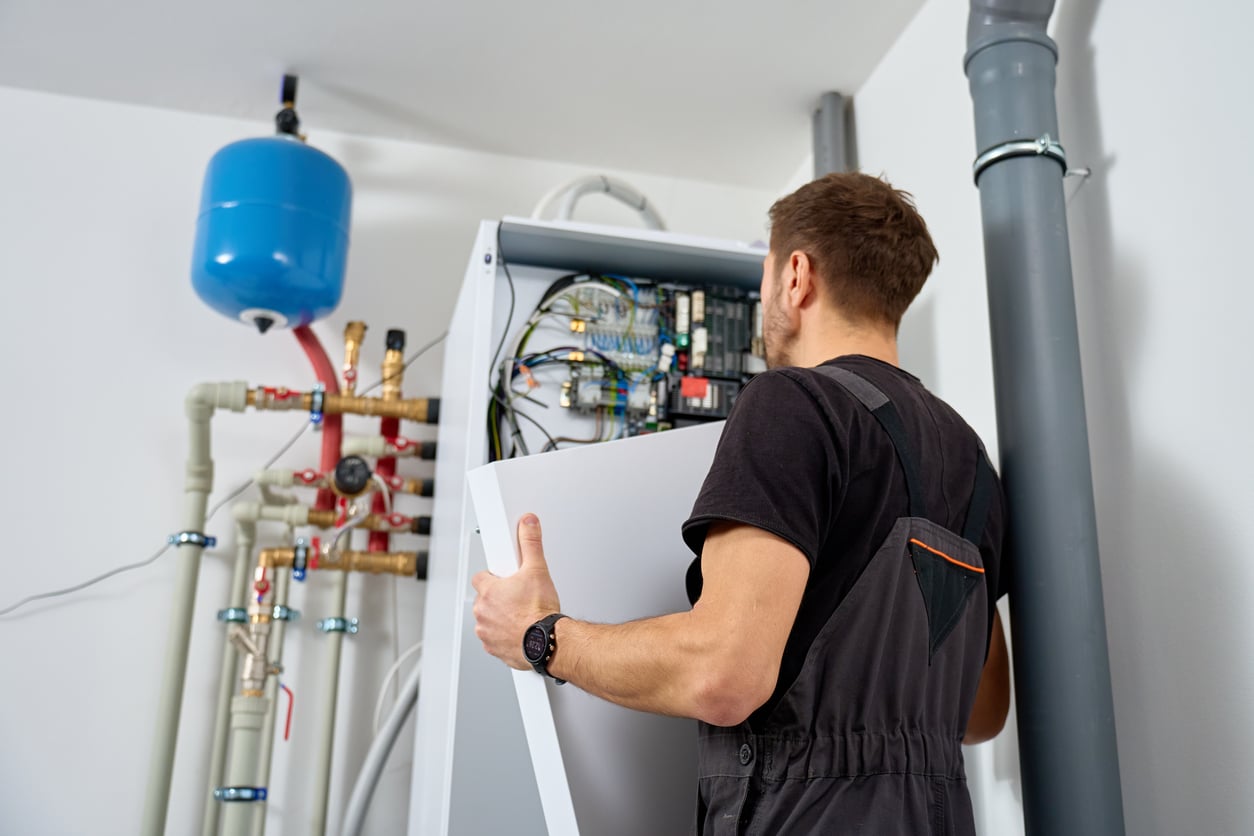
Westchester homeowners replacing an aging furnace or a window AC unit eventually ask the same question: Is there a system that handles both jobs without burning fuel or fighting outdoor temperature swings? Geothermal heating and cooling do exactly that.
By tapping into the steady temperature just a few feet below your yard, a geothermal heat pump system keeps your home comfortable in January and July alike, with none of the combustion risk that comes with oil or gas. Here’s how the technology works, and why it’s such a strong fit for New York homes.
At A Glance: Geothermal Heating and Cooling
- Geothermal heat pump systems move heat between your home and the steady ground temperature instead of burning fuel.
- An underground loop carries that heat to an indoor unit that handles both heating and cooling from one system.
- New York’s steady year-round ground temperature makes geothermal especially effective here, even through harsh winters and hot summers.
- New York homeowners can claim a state tax credit worth 25% of system costs, up to $10,000, when they go geothermal.
- A well-designed system can run for decades with little maintenance, since most of it sits underground or indoors.
How Does a Geothermal Heat Pump System Actually Work?
A few feet below the frost line, the ground holds a nearly constant temperature year-round, typically in the low 50s Fahrenheit across our region, no matter what’s happening in the air above it. A geothermal heat pump taps that stability instead of relying on outdoor air as its heat source and heat sink.
In winter, fluid circulating through a buried loop pulls heat from the ground and carries it to a heat pump unit inside your home. That unit concentrates the heat and sends it through your ductwork or a water-based system.
In summer, the process reverses. The system pulls heat out of your house and sends it back into the ground, where the earth’s cooler temperature makes rejecting that heat far easier than it is for a standard air conditioner or cold-climate heat pump, which have to push that heat into 90-degree outdoor air instead.
Because the ground temperature barely shifts, the system never fights extreme cold or heat the way outdoor equipment does. That’s the main reason geothermal systems run at a higher efficiency than almost any other heating and cooling technology available to homeowners today.
Ground Loops: The Part You’ll Never See
The buried piping, known as the ground loop, makes the whole system work. Installers fill it with a water-based heat transfer fluid and connect it to the indoor heat pump unit, which does the actual work of heating or cooling your home. Once it’s in the ground, the loop has no moving parts and typically lasts for decades.
What Types of Geothermal Loop Systems Are There?
Geothermal systems run on one of two loop types: closed-loop or open-loop. Which one fits your property depends mostly on lot size, soil conditions, and drilling access, so a proper site evaluation, not a one-size-fits-all install, determines the right approach for your home.
Closed-Loop Systems
Closed-loop systems circulate the same fluid continuously through a sealed pipe network. They come in a few configurations:
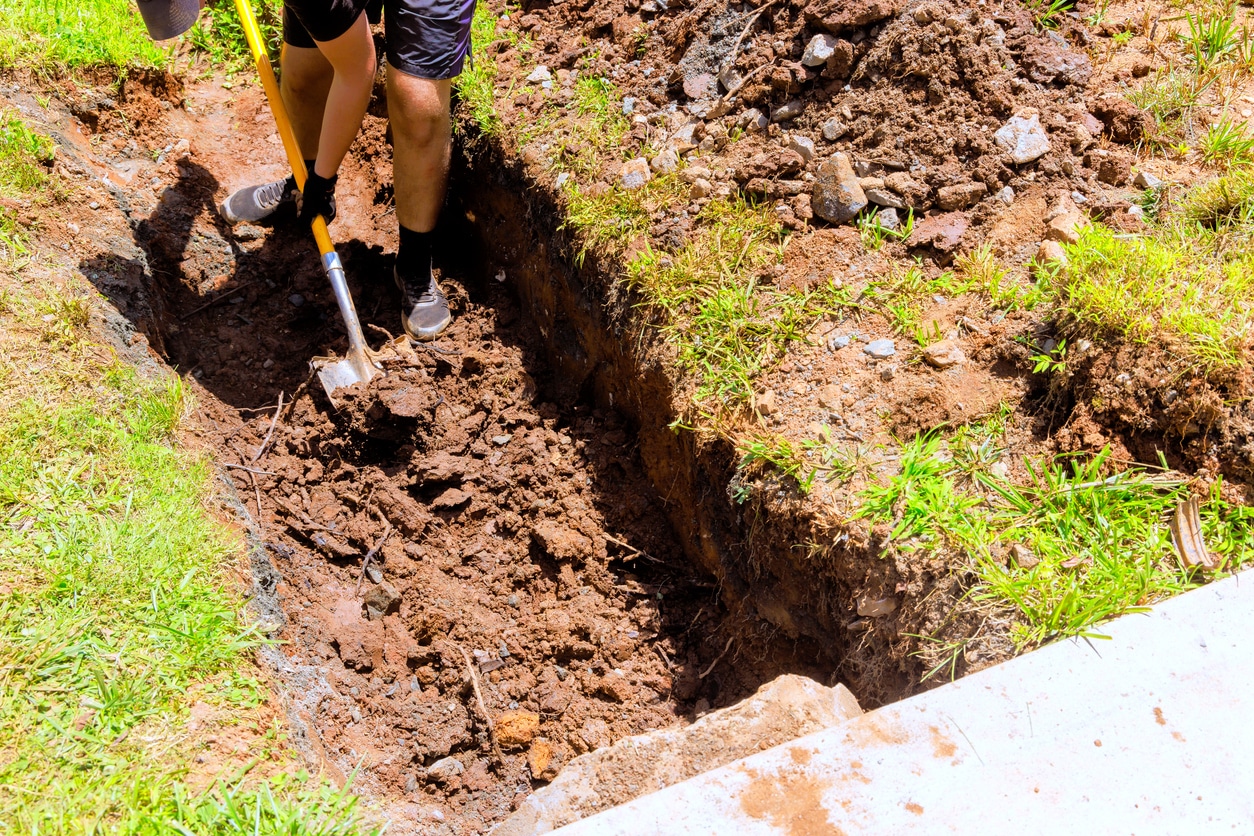
- Horizontal loops, laid in trenches a few feet deep, work well on properties with enough open yard space.
- Vertical loops, drilled hundreds of feet down, suit smaller or more tightly built lots, which is common throughout Westchester.
- Pond or lake loops, submerged in a nearby body of water, when your property has one available.
Open-Loop Systems
Open-loop systems draw groundwater directly from a well, pass it through the heat pump, and return it to the ground through a second well or an approved discharge point. These systems can run efficiently where water quality and local regulations support them, but they depend on a reliable water source and usually need more permitting than a closed-loop design.
Why Do New York’s Climate and Soil Make Geothermal a Strong Fit Here?
Our winters swing well below freezing, and our summers bring stretches of real heat and humidity. That spread is exactly what makes geothermal worth considering in this region. A standard air-source heat pump loses efficiency as outdoor temperatures drop, and a furnace or boiler has to work against both extremes. A ground-source system never deals with either extreme directly, because the ground stays at roughly the same temperature in January and in August alike.
Many homes across Scarsdale, Bronxville, Chappaqua, and the surrounding towns went up before modern insulation and air sealing standards existed, and they weren’t designed around high-efficiency electric heating and cooling. That’s part of why we follow our “Seal Tight and Ventilate Right” approach and look at the whole home, not just the mechanical equipment, before we recommend geothermal.
If we size and install a system without accounting for a home’s insulation, air sealing, and ductwork, it won’t perform the way it should, no matter how good the equipment is. Our team is NYSERDA-certified, and our technicians hold credentials from the Building Performance Institute, National Comfort Institute, National Balancing Institute, and Refrigeration Service Engineers Society, so this whole-home evaluation is built into how we design every system.
Is Geothermal Worth the Investment for Your Home?
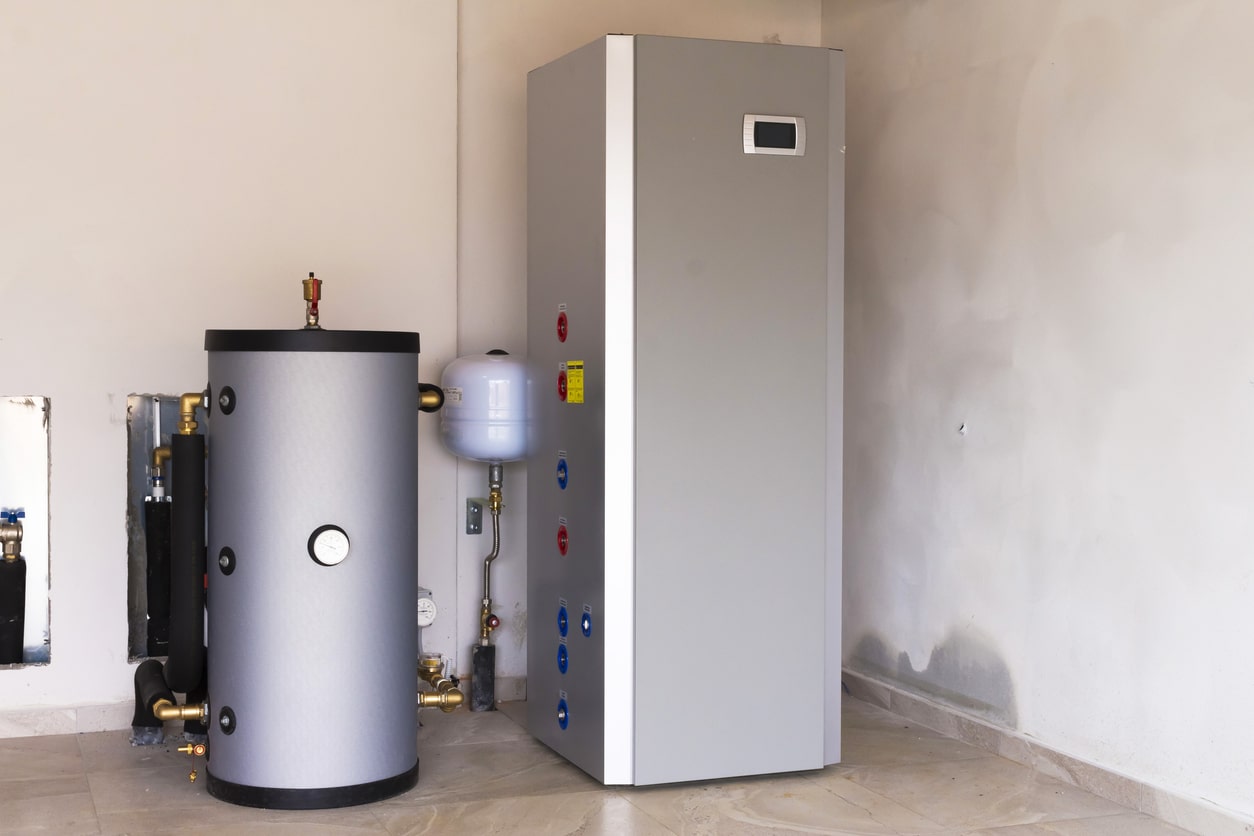
An energy-efficient geothermal system costs more to install than a conventional furnace or central air system, mostly because of the ground loop. In exchange, you get meaningfully lower operating costs, no on-site combustion, and equipment that tends to outlast conventional systems by a wide margin. The ground loop itself can last 50 years or more, and the components inside your home typically run for 20 to 25 years.
New York homeowners also have a real financial incentive here. The New York State Geothermal Energy System Credit covers 25% of your qualified equipment costs, up to $10,000 for systems placed in service on or after July 1, 2025. The credit isn’t refundable, but you can carry over any unused amount for up to five years.
NYSERDA also runs incentive programs for ground source heat pumps from time to time, so it’s worth asking what’s currently available when you get your system designed.
Give us a call at (914) 292-4788, and we’ll walk you through exactly how to claim the credit and what else might apply to your home. Financing through Synchrony Bank and Clean Energy Credit Union can help cover the rest of the upfront cost.
For homeowners focused on cutting their carbon footprint, geothermal also supports an all-electric home without the emissions that come from burning oil or gas on-site, which fits neatly into a broader low-carbon home heating strategy.
The Long-Term Payoff of Going Geothermal
Geothermal heating and cooling trades a bigger upfront investment for decades of renewable heating and cooling, built around the stable ground temperature sitting right under your Westchester yard. If you’re ready to move off oil or aging equipment, it’s one of the most durable upgrades you can make.
FAQs: Geothermal Heating and Cooling
How much can a geothermal system reduce my energy costs?
Savings depend on your home, the system it replaces, and local electricity rates, but geothermal systems consistently outperform standard air-source heat pumps and far outperform oil or propane heat.
Can geothermal replace my oil furnace or boiler completely?
Yes. A properly sized geothermal system can fully replace oil heat, which also removes the combustion and carbon monoxide risks that come with any fuel-burning appliance.
How noisy is a geothermal system?
Very little. Since the heat exchange happens underground and the indoor unit sits inside your home rather than outside, geothermal systems run quieter than a conventional condenser sitting in your yard.
Find Out If Geothermal Is Right for Your Home
Every property is different, and the only way to know if geothermal fits yours is a proper site evaluation. Our team has spent four decades studying how New York homes actually perform, and we bring that same building-science approach to every geothermal design. Call (914) 292-4788 or contact us online to schedule an evaluation and find out what geothermal could mean for your home.
Don’t forget to check out our Service Club for priority scheduling and savings on seasonal tune-ups.