
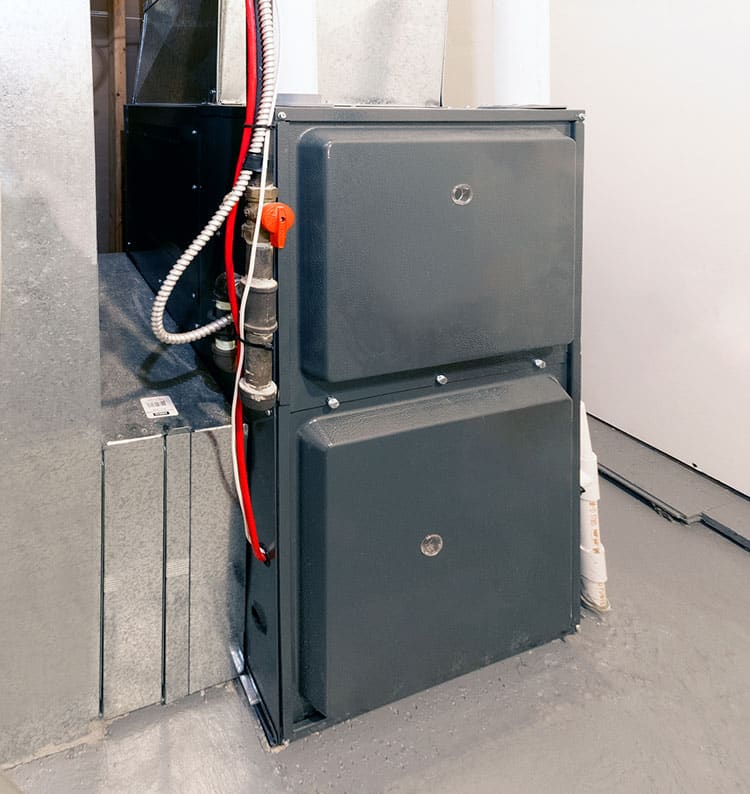
Every fall, I think about the same thing: somewhere in this town, a furnace, boiler, or water heater is about to fire up for the first time in months — and nobody’s checked it.
I’ve spent my life around combustion appliances. I started in the HVAC trade at fourteen, and after school went to work for an oil company testing combustion efficiency. In 1986, I started my own company, Clover Heating & Cooling, and made indoor air quality my focus — partly because I grew up as an allergic kid myself, diagnosed with asthma early and treated by an allergist for years. That experience never really left me.
Later, at a seminar on carbon monoxide, I learned just how serious — and how invisible — this problem really is. It changed how I think about my job.
A Name Most People Remember
In September 1994, tennis star Vitas Gerulaitis was visiting a friend’s Long Island estate and staying in a poolside cottage. A faulty, poorly ventilated heater beneath the cottage let carbon monoxide build up in the space while he slept. He never woke up. He was 40 years old.
It’s the kind of story that sticks with people — a healthy, famous athlete, gone overnight, from a gas nobody in the house could see or smell. That’s exactly why CO is called the silent killer: no color, no odor, no warning.
I heard a version of that same lesson closer to home, from my teacher at the National Comfort Institute, Jim Davis, who passed away last year. Jim used to tell the story of a routine test call where his readings turned up a dangerously high carbon monoxide condition — the kind that could easily have gone unnoticed without someone actually testing for it. It’s the reason testing, not guessing, has to be the standard.
The Slower, Quieter Version
The dramatic cases make headlines, but the more common danger is the slow leak — low-level CO exposure that makes people chronically sick in ways that are easy to misdiagnose. Headaches, fatigue, nausea, flu-like symptoms that come and go. Because a trip to the ER or a doctor’s office means time in fresh air, blood CO levels can drop back toward normal before a test ever catches it. People get sent home with a diagnosis that misses the real cause entirely — and go right back into the same exposure.
A doctor I met with in Port Chester, who specialized in neurology, described exactly this pattern. He’d separately been seeing a husband and wife, each coming in with vague flu-like symptoms, with no obvious connection between the two visits. It wasn’t until he realized both patients shared the same address that the diagnosis became clear — the illness was in their home, not in them. Once they were out of the house, the symptoms cleared up. That’s the trap with low-level CO: it doesn’t announce itself, and it can take a sharp eye to connect the dots.
Why Fall Matters
Combustion appliances — natural draft water heaters, furnaces, boilers, any fossil-fuel appliance, gas or oil — sit unused all summer. Vents get blocked, connections corrode, and problems that develop quietly over months often don’t show up until the day you turn the heat on for the first time. That’s exactly when a poorly performing appliance starts spilling combustion gases instead of venting them outside.
That’s why fall — before the heating season starts, not after — is the best time to have a qualified technician test your combustion appliances.
Three Simple Things Every Family Can Do
- **Get an annual combustion safety test.** A qualified technician can measure how efficiently and safely your appliance is burning fuel, before a small problem becomes a dangerous one.
- **Install a carbon monoxide monitor** — and treat it like a smoke detector. Change the batteries when you change your clocks.
- **Know the symptoms.** Persistent headaches, fatigue, or nausea that improve when you leave the house and return when you’re home are worth mentioning to your doctor — and worth having your home tested.
What We Do at Clover Heating & Cooling
Every fall tune-up we perform includes a combustion safety test on the home’s fuel-burning appliances — not just a filter change and a call it done. We also offer an Air Advice assessment, a quick, on-the-spot report on indoor air quality that covers temperature, humidity, VOCs, carbon monoxide, carbon dioxide, and particulates, so families can see what’s actually in the air they’re breathing.
None of this is complicated or expensive. It just has to actually get done — and fall is the time to do it.