
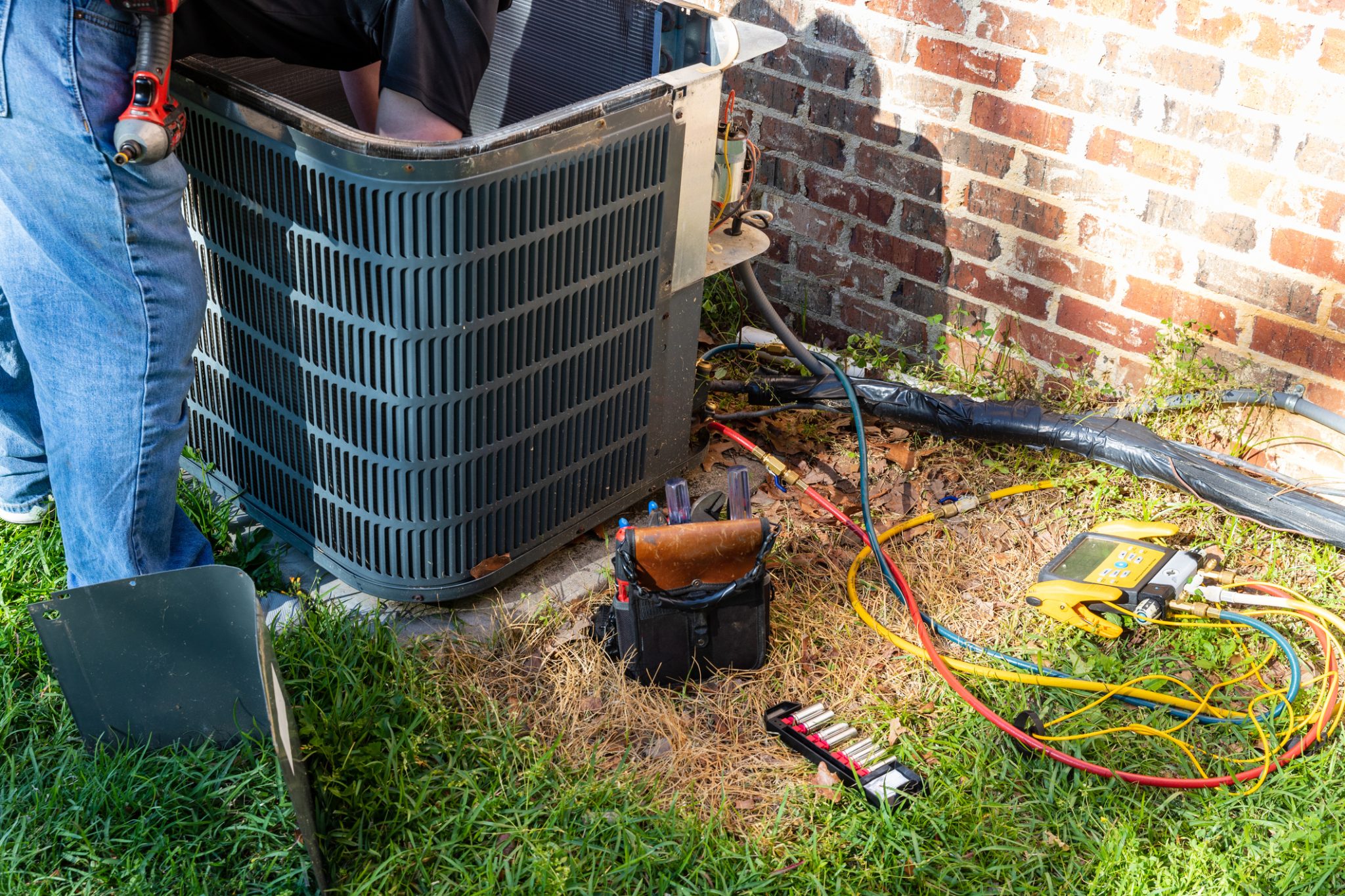
False spring has already visited New York this year, tricking everyone into cracking windows, packing away heavy coats, and getting ready for short sleeves. Then reality hit. Cold air pushed back in, heating systems kicked right back on, and suddenly, we’re all reminded that winter is not done yet.
This in-between season is exactly when your HVAC system needs attention the most. Clover Heating & Cooling is here with a practical, homeowner-friendly checklist to help you finish winter strong and head into spring with confidence.
Late Winter to Early Spring HVAC Tips to Save Your Money
Late winter HVAC maintenance is about catching small problems before they turn into big ones, especially while your system is still working hard. It is also the perfect time to start spring HVAC prep, so your home transitions smoothly into warmer weather without surprise breakdowns.
Why This Time of Year Matters
Heating systems in New York go through months of heavy use. By late winter, wear and tear begin to show up in subtle ways. Airflow may feel weaker. Energy bills creep higher. Strange noises might come and go.
At the same time, your cooling system has been sitting idle, collecting dust and waiting for its moment.
This overlap creates a unique opportunity. A single tune-up can support heating performance for the final cold stretch while preparing your cooling system for the months ahead.
Heating System Check: Finish Winter Without Surprises
Your heating system still has work to do, even if spring feels close. A few targeted checks can keep things running safely and efficiently.
Combustion Inspection
Fuel-burning systems like furnaces and boilers rely on proper combustion. Over time, burners can become dirty or misaligned, which affects performance and safety.
A professional combustion inspection looks at:
- Burner operation and flame quality
- Heat exchanger condition
- Fuel efficiency levels
- Venting performance
This step plays a major role in carbon monoxide HVAC safety. Even minor combustion issues can lead to serious risks if left unchecked.
Blower and Airflow Check
The blower motor pushes warm air through your home. Dust buildup and wear can reduce airflow, making rooms feel uneven or drafty.
Signs to watch for:
- Weak airflow from vents
- Rooms heating unevenly
- System running longer than usual
A quick inspection and cleaning can restore proper airflow and reduce strain on your system.
Filter Replacement
A clogged filter restricts airflow and forces your system to work harder.
Late winter is a great time to replace your filter, especially after months of continuous heating. Cleaner airflow supports comfort and helps protect internal components.
Carbon Monoxide Readiness: Safety First
As heating systems run through their final stretch, carbon monoxide HVAC safety becomes even more important.
Carbon monoxide is odorless and invisible. The only way to detect it is with properly functioning alarms and regular system checks.
Quick Safety Checklist
- Test all carbon monoxide detectors
- Replace batteries if needed
- Check expiration dates on detectors
- Schedule professional carbon monoxide testing
A trained technician can identify issues that homeowners cannot see, including small leaks or venting problems.
This step belongs at the top of every New York winter HVAC checklist.
Cooling System Prep: Get Ahead of the Heat
Spring HVAC prep starts before the first warm day arrives. Preparing early helps avoid that first hot afternoon panic when the AC refuses to turn on.
Outdoor Unit Inspection
Your outdoor condenser has likely been exposed to snow, ice, and debris.
Check for:
- Leaves, branches, or dirt buildup
- Visible damage to fins or coils
- Obstructions around the unit
Clear at least two feet of space around the unit to support proper airflow.
Electrical and Component Check
Cooling systems rely on electrical connections that can loosen over time.
A professional inspection can:
- Tighten connections
- Check capacitor health
- Test system startup
Catching issues early prevents mid-season breakdowns.
Thermostat Performance
Your thermostat controls both heating and cooling. Late winter is a great time to confirm it responds accurately.
Consider upgrading to a programmable or smart thermostat for better control and energy savings heading into warmer months.
Indoor Air Quality: The Missing Piece
Heating and cooling often get the spotlight, but air quality plays an equally important role in comfort.
After months of closed windows and recycled air, indoor air can feel stale, dry, or dusty. This stage is where targeted air quality solutions make a noticeable difference.
Signs Your Air Quality Needs Attention
- Dry skin or irritated sinuses
- Lingering dust on surfaces
- Musty or stale odors
- Increased allergy symptoms
Air Quality Solutions to Consider
Air Filtration and Cleaning
Advanced air cleaners capture fine particles that standard filters miss. These particles can include dust, pollen, and other airborne contaminants.
Humidity Control
Winter air tends to be dry, which affects comfort and health. Adding humidity can improve breathing comfort and protect wood finishes, now and through changing seasons.
Duct Cleaning
Dust and debris can build up in ductwork over time. Cleaning ducts improves airflow and reduces circulating contaminants.
UV Light Systems
UV lights installed inside HVAC equipment help reduce bacteria and mold growth.
Cleaner air supports both comfort and whole-system performance. Less buildup inside your system means fewer repairs and better efficiency over time.
The Value of Professional Tune-Ups
DIY checks are helpful, but a full HVAC tune-up goes much deeper.
A professional inspection covers:
- System performance testing
- Safety checks, including combustion and carbon monoxide
- Airflow and duct evaluation
- Electrical and mechanical components
- Efficiency adjustments
Heating and cooling systems do not operate in isolation. Airflow, duct design, insulation, and ventilation all influence performance.
Clover Heating & Cooling takes a whole-home approach, looking at how every part of your system works together. This leads to better comfort, improved efficiency, and fewer unexpected issues.
A Simple Seasonal Game Plan
If you want a clear path forward, follow this quick plan:
Late Winter HVAC Maintenance
- Replace air filters
- Test carbon monoxide detectors
- Schedule combustion and safety inspection
- Check airflow and blower performance
Spring HVAC Prep
- Inspect the outdoor AC unit
- Clear debris and obstructions
- Test thermostat operation
- Schedule a full system tune-up
This combination helps your system finish winter strong while preparing for warmer days.
Stay Ahead of Seasonal HVAC Shifts
Late winter HVAC maintenance and early spring prep help catch hidden issues before they turn into costly repairs. A few simple steps, along with a professional inspection, can improve comfort, support carbon monoxide HVAC safety, and keep your heating and cooling systems running smoothly as seasons change.
Schedule Your Seasonal Tune-Up
If your system has been working hard all winter, now is the time to give it the attention it needs. Call (914) 292-4788 or reach out online to schedule your HVAC tune-up and keep your home comfortable and ready for spring.